Where to Stay in the Cotswolds: 10 Hotels We Love
The Cotswolds can feel almost suspiciously pretty.
Honey-coloured villages, winding lanes, old pubs with fires going in the middle of the afternoon, dry-stone walls disappearing over green hills. It is the sort of place where going for a walk somehow turns into a two-hour lunch, followed by another drink somewhere you had no intention of stopping.
The landscape owes much of its character to the limestone beneath it, which has shaped everything from the rolling hills and dry-stone walls to the distinctive villages built from local stone. But the Cotswolds is not really one destination. It stretches across a surprisingly large part of England, with each pocket feeling slightly different.
Its hotels are just as varied. There are centuries-old pubs where dinner is half the reason for coming, grand country houses that have been completely reinvented, woodland hideaways, serious spas and places where doing almost nothing is actively encouraged.
These are the Cotswolds hotels we would genuinely plan a weekend around.
Bull Burford
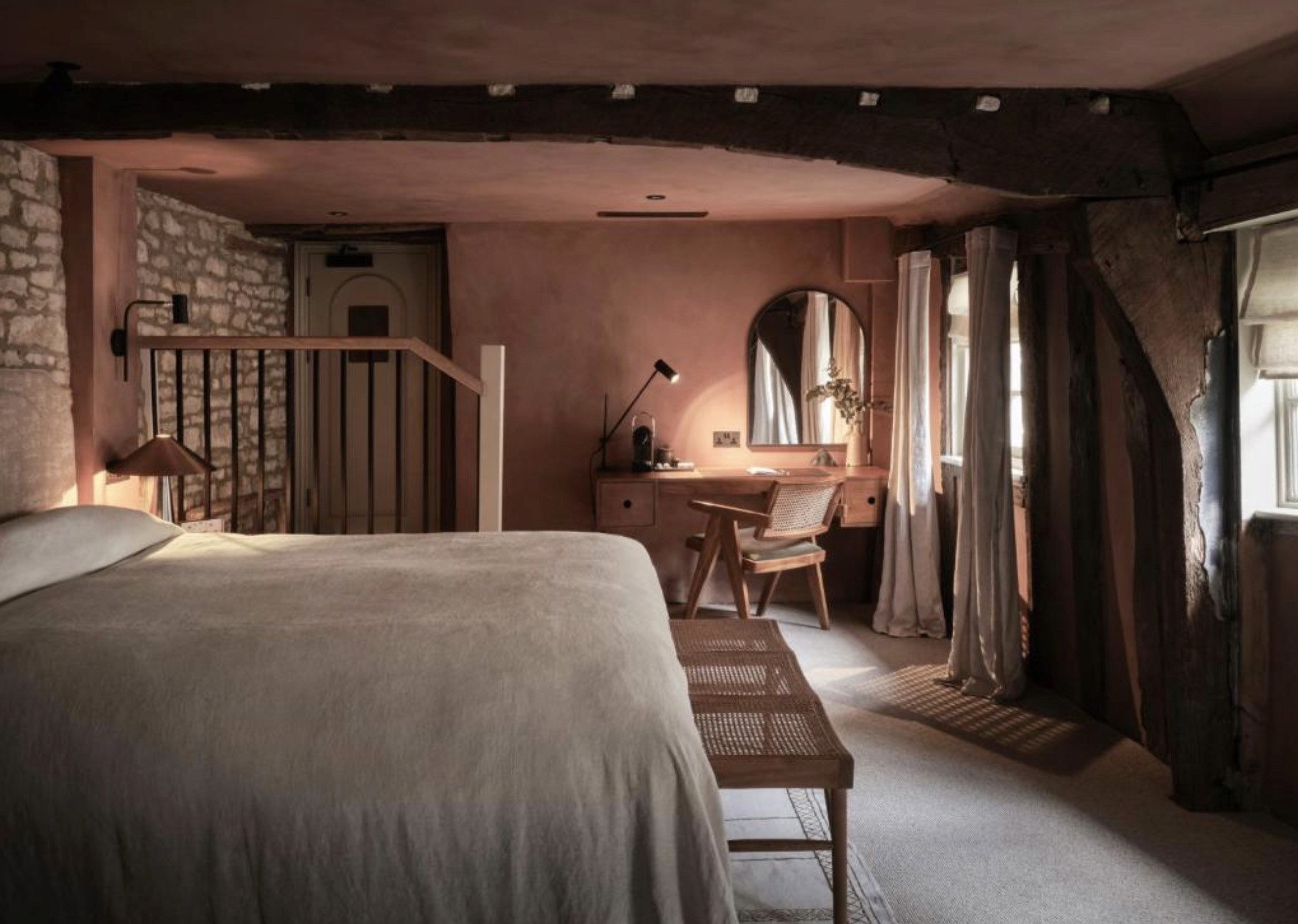
Burford already looks a little like somebody designed a Cotswolds town specifically for a film set. Bull sits right on its sloping High Street in a 16th-century former coaching inn, but don't expect floral wallpaper and a predictable country-house makeover.
Inside, things get much more interesting. The walls are filled with serious contemporary art, including works by names you would normally expect to encounter in a gallery rather than above a hotel fireplace. Rooms are rich and comfortable without becoming fussy, and the whole place manages to feel old and slightly rebellious at the same time. It has swagger, which is not a word we use for many Cotswolds hotels.
Food is a very big part of staying here. Horn focuses on seasonal modern European cooking, while Wild takes things in a more theatrical direction with an immersive menu built around fire. There is even Sl'ice for pizza and gelato. You could quite happily arrive on Friday and spend most of the weekend moving between your bedroom, the bar and dinner.
Why we like it: Bull takes everything you expect from a historic Cotswolds inn and makes it feel much cooler.
Cowley Manor Experimental
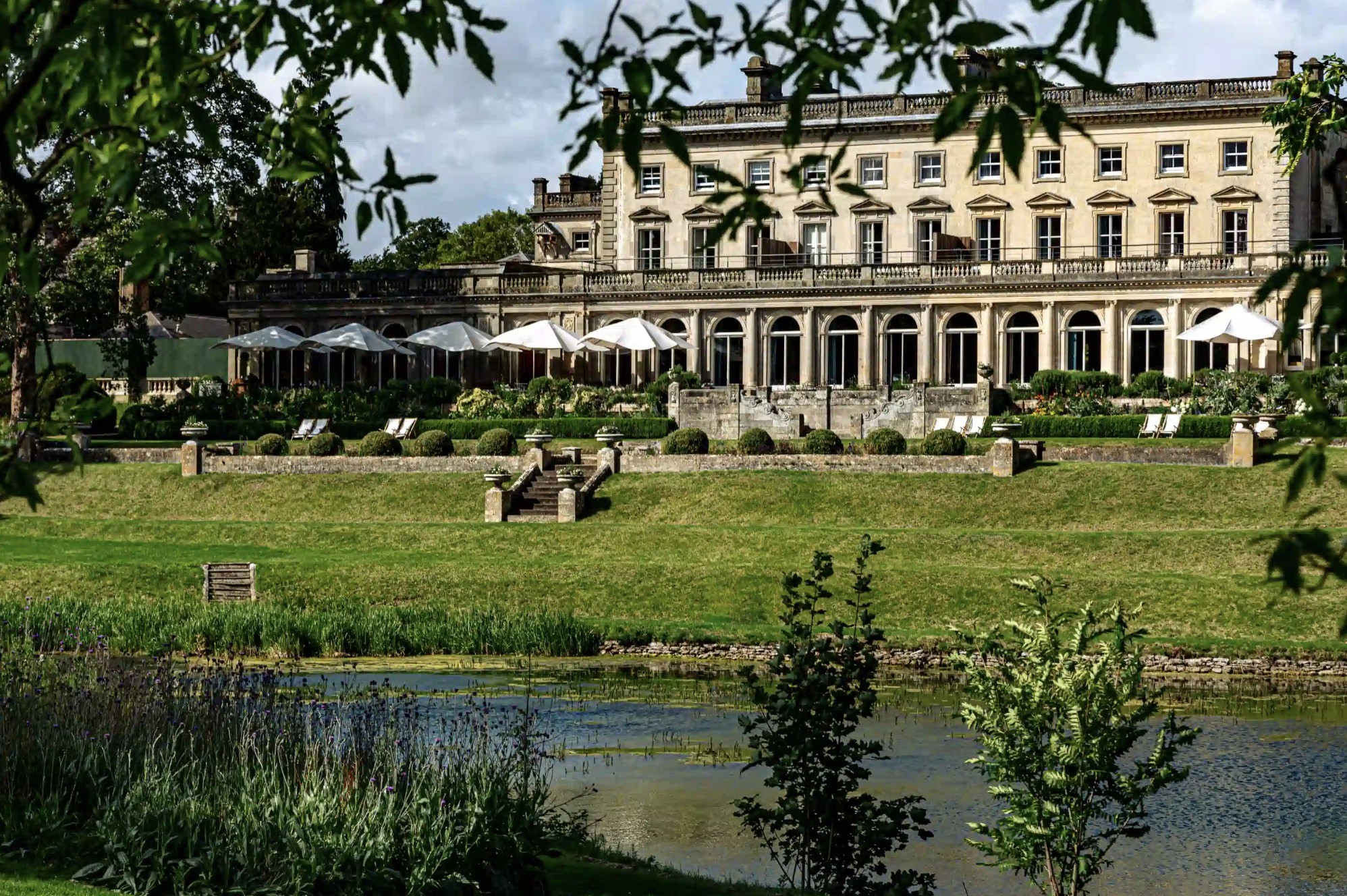
Cowley Manor is what happens when a grand English country house gets handed to a group of French hoteliers who really like cocktails.
The Experimental Group has transformed the old Italianate manor with the help of designer Dorothée Meilichzon, filling it with bold colours, strange proportions, beautiful furniture and subtle references to Alice in Wonderland. Lewis Carroll is said to have found inspiration in this corner of the Cotswolds, and the hotel plays with the story without turning the place into a theme park. Rabbit heads appear where you least expect them, playing-card motifs hide in the carpets, and the interiors have just enough eccentricity to keep things interesting.
Outside is another world entirely. There are gardens, woodland paths, a lake and a spa with indoor and outdoor pools hidden among the greenery. Then there is dinner, with Jackson Boxer overseeing a menu influenced by French cooking and the produce of the surrounding countryside, followed by exactly the sort of cocktails you would expect from the people who started Experimental Cocktail Club.
Why we like it: It brings a little Parisian mischief to the English countryside without losing the magic of the house around it.
The Wild Rabbit
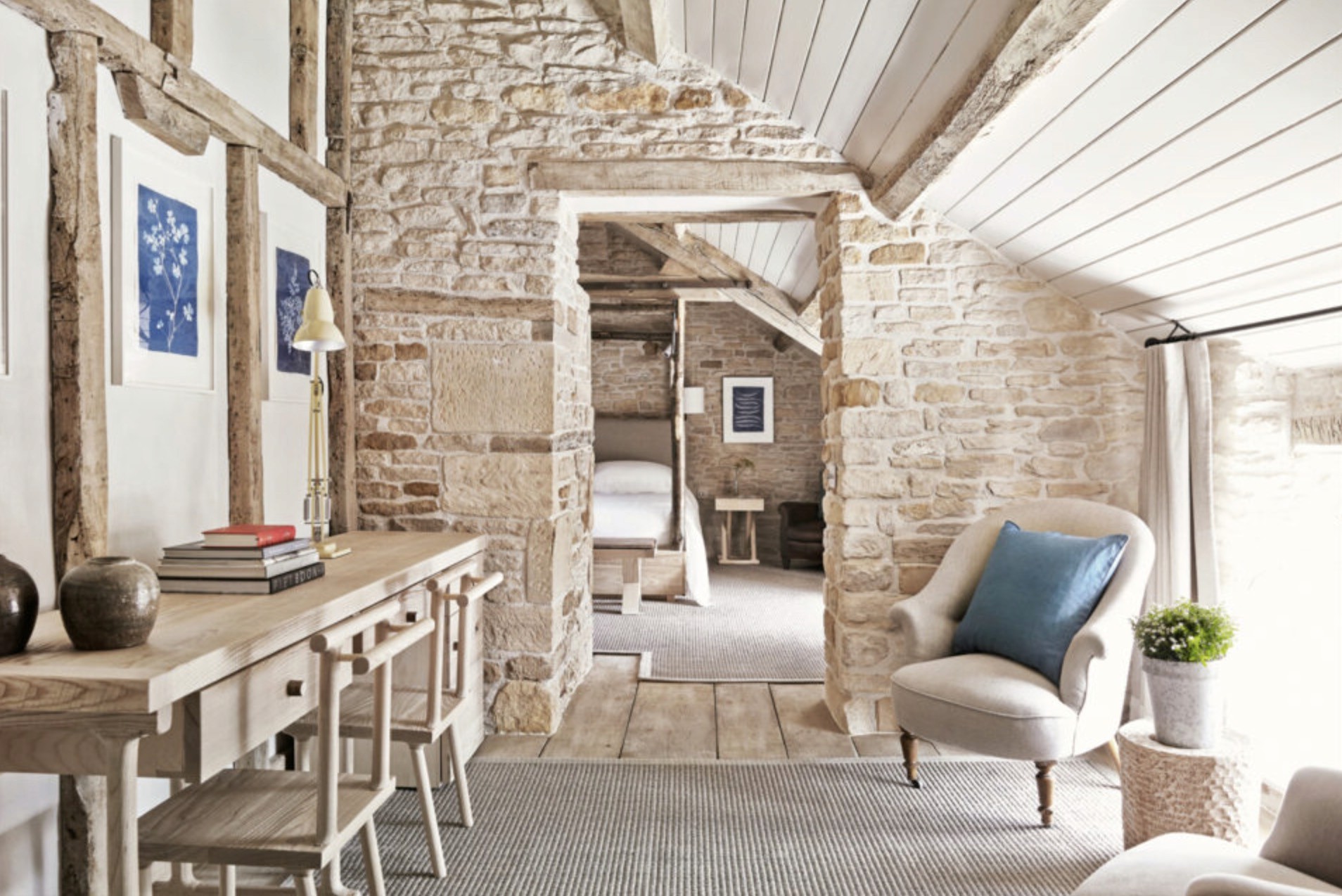
There are hotels with restaurants, and then there are places where you find yourself talking about dinner for most of the following morning.
The Wild Rabbit belongs firmly in the second category. Sitting in the village of Kingham, it is part of the Daylesford world and feels almost like the idealised version of a Cotswolds pub. Exposed stone, timber, soft lighting, big beds, fires and the sort of effortless rustic interiors that make you briefly wonder whether you should move to the countryside.
Food is the real reason to come. The kitchen works closely with Daylesford and other local producers, with the seasons deciding what appears on the plate. It is polished without becoming precious, which suits the place perfectly. Spend the afternoon walking through the fields towards Daylesford, come back slightly muddy, have a drink by the fire and make dinner the main event.
Why we like it: This is exactly what we want from a Cotswolds weekend. A beautiful village, a really good pub, excellent food and nowhere particularly important to be.
Hyll
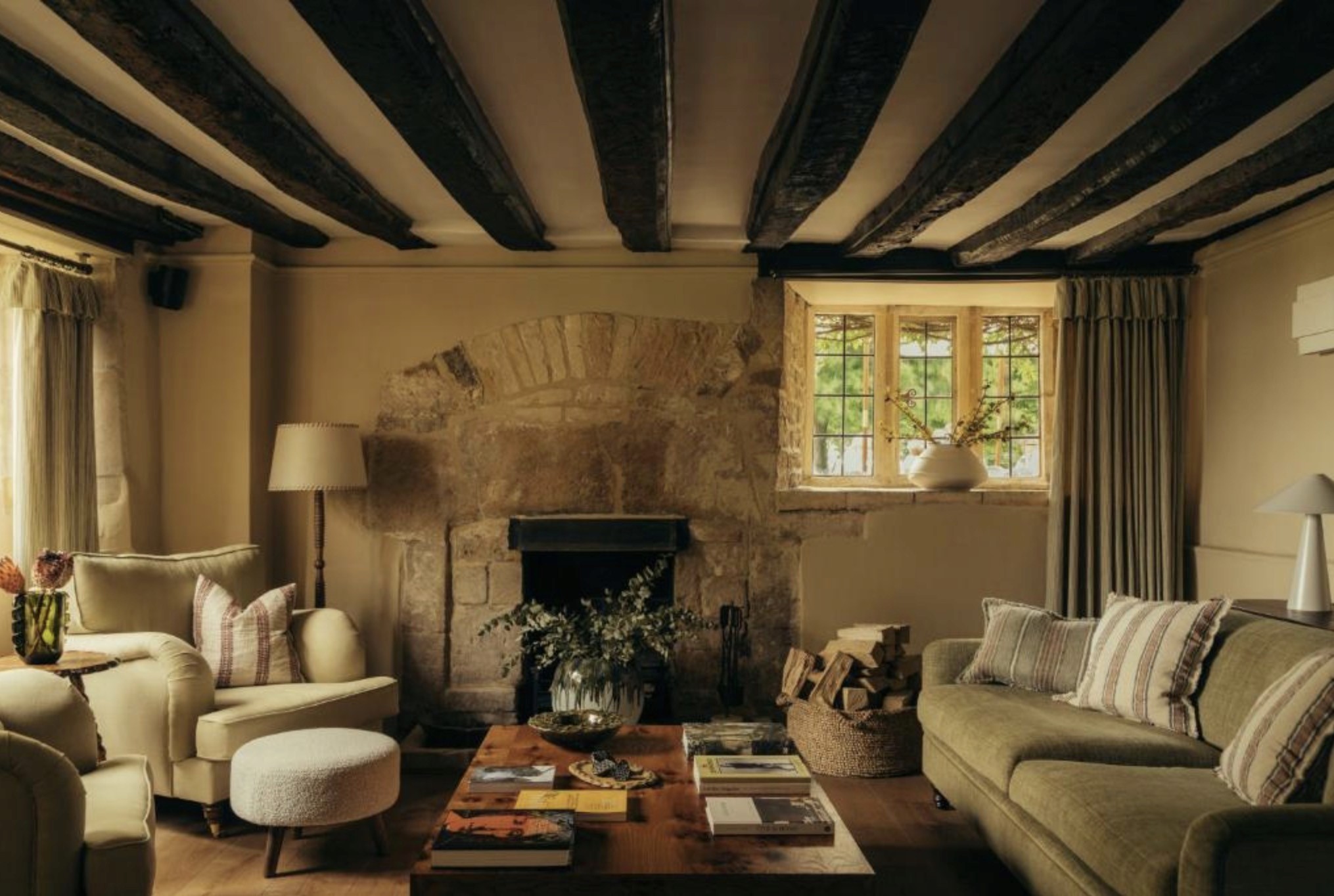
Hyll has built an entire hotel around an increasingly rare luxury: having nothing to do.
Set in a historic manor near Chipping Campden, the idea here is not to fill your day with activities. It is to slow it down. The interiors were deliberately designed around stillness, with earthy colours, solid wood, tactile fabrics, books and quiet corners that make sitting around for a few hours feel completely legitimate. Even the hotel describes doing nothing as one of the things to do. We approve.
The house looks reassuringly Cotswolds from the outside, but the interiors have a cleaner, almost Scandinavian sensibility rather than leaning into country-house nostalgia. Food follows the same philosophy. Menus change with whatever is good locally and seasonally, with producers from Gloucestershire and the Vale of Evesham helping dictate what comes out of the kitchen.
Why we like it: Hyll understands that sometimes the best thing a hotel can give you is permission to disappear for two days.
The Bull, Charlbury
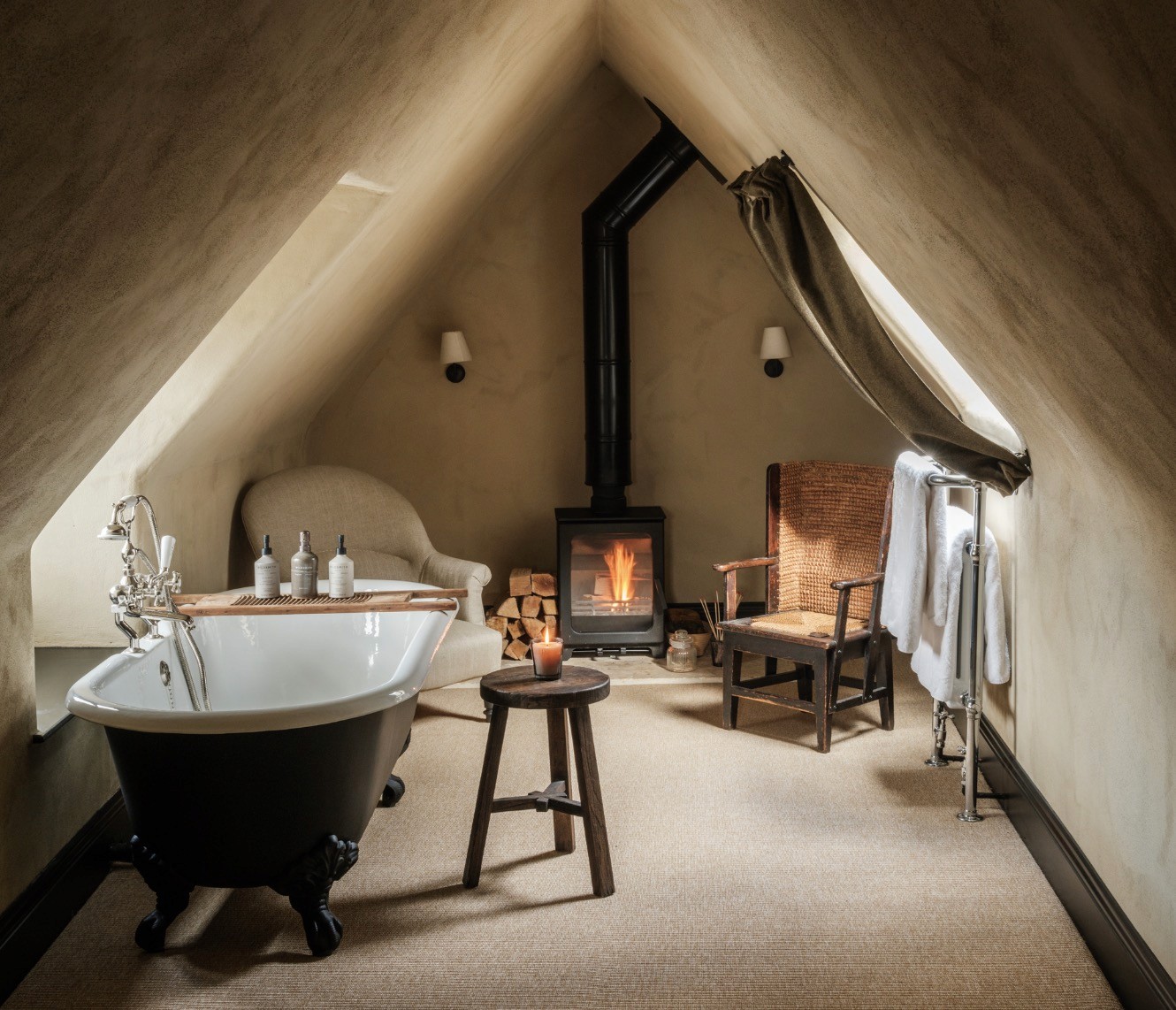
Not to be confused with Bull Burford, although the fact that two of our favourite Cotswolds hotels are called The Bull feels appropriately English.
The Bull in Charlbury is first and foremost a very good pub. It has occupied this corner of Sheep Street in some form since the 1500s, and its latest incarnation comes from the team behind The Pelican in Notting Hill. They wisely resisted making it too polished. Flagstone floors, old beams, fireplaces and exposed stone still do most of the decorating.
Downstairs, the restaurant revolves around open-fire cooking and ingredients sourced directly from farmers and growers, including vegetables from the group's own market garden. Upstairs, things remain restrained and comfortable, with big beds, freestanding baths and plenty of reasons to postpone the train home. Charlbury station is only a short walk away, which also makes this one of the easiest proper Cotswolds escapes to do without a car.
Why we like it: It still feels like a pub that happens to have beautiful bedrooms rather than a hotel pretending to be a pub.
Thyme
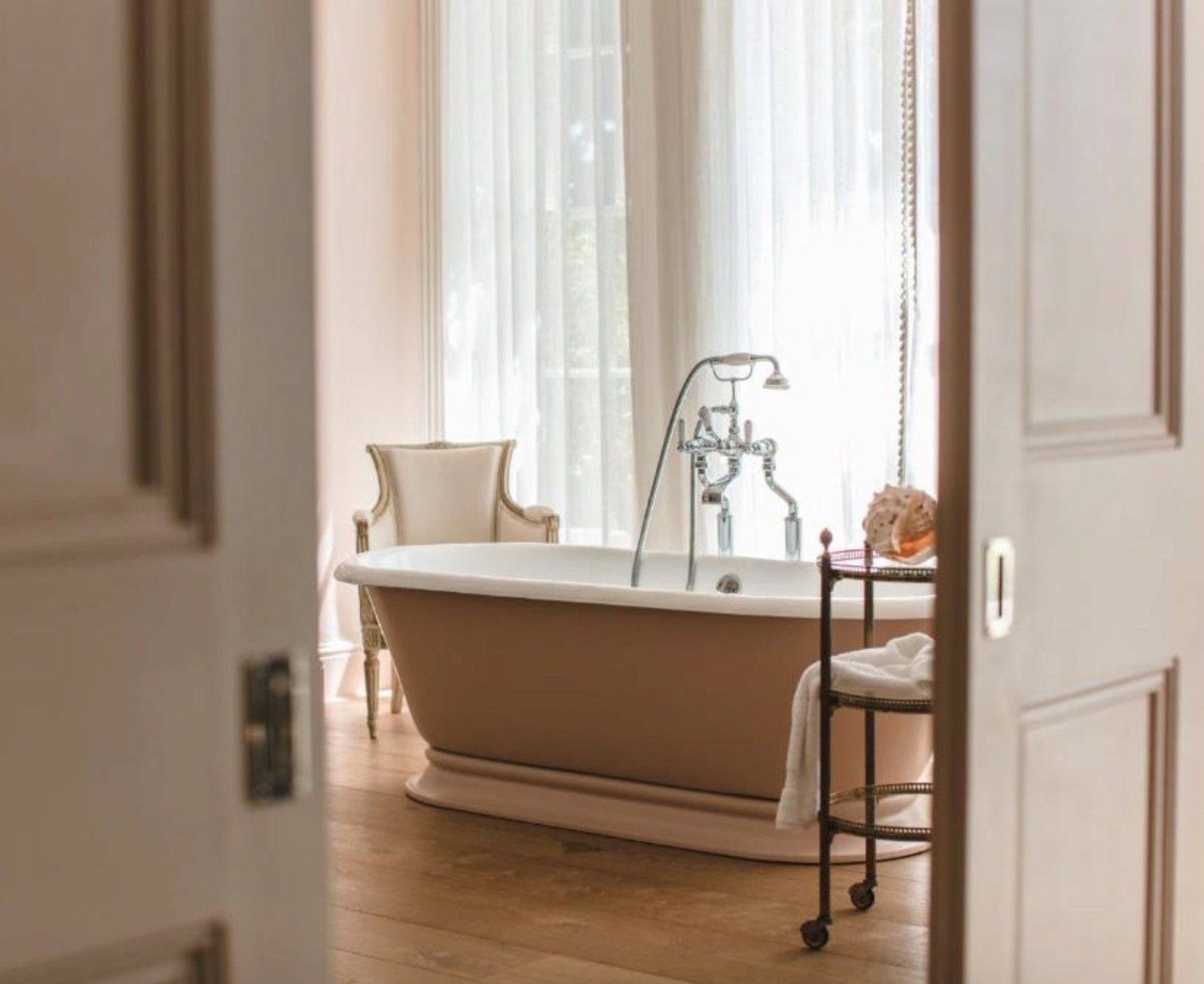
Calling Thyme a hotel does not quite cover it.
Spread across the tiny village of Southrop, it feels more like somebody has created their own miniature Cotswolds world. Old cottages, barns and houses are connected by gravel paths and gardens across a large country estate, with the Ox Barn restaurant, Baa Bar, Meadow Spa, cookery school, kitchen gardens and boutiques all becoming part of the stay.
Nature runs through pretty much everything here. Much of the food comes from the estate and surrounding area, the gardens influence what appears in the kitchen, and the spa uses herbs, scents and botanicals as part of its treatments. On a warm day, you can swim in the spring-water pool. On a less warm day, which admittedly is quite possible in England, the Botanical Bothy and Meadow Spa provide a very good alternative.
It is one of those hotels where you arrive with a list of nearby villages you want to explore and quietly abandon most of it after lunch.
Why we like it: Thyme makes staying in the countryside feel less like a weekend away and more like temporarily joining a very beautiful way of life.
Estelle Manor
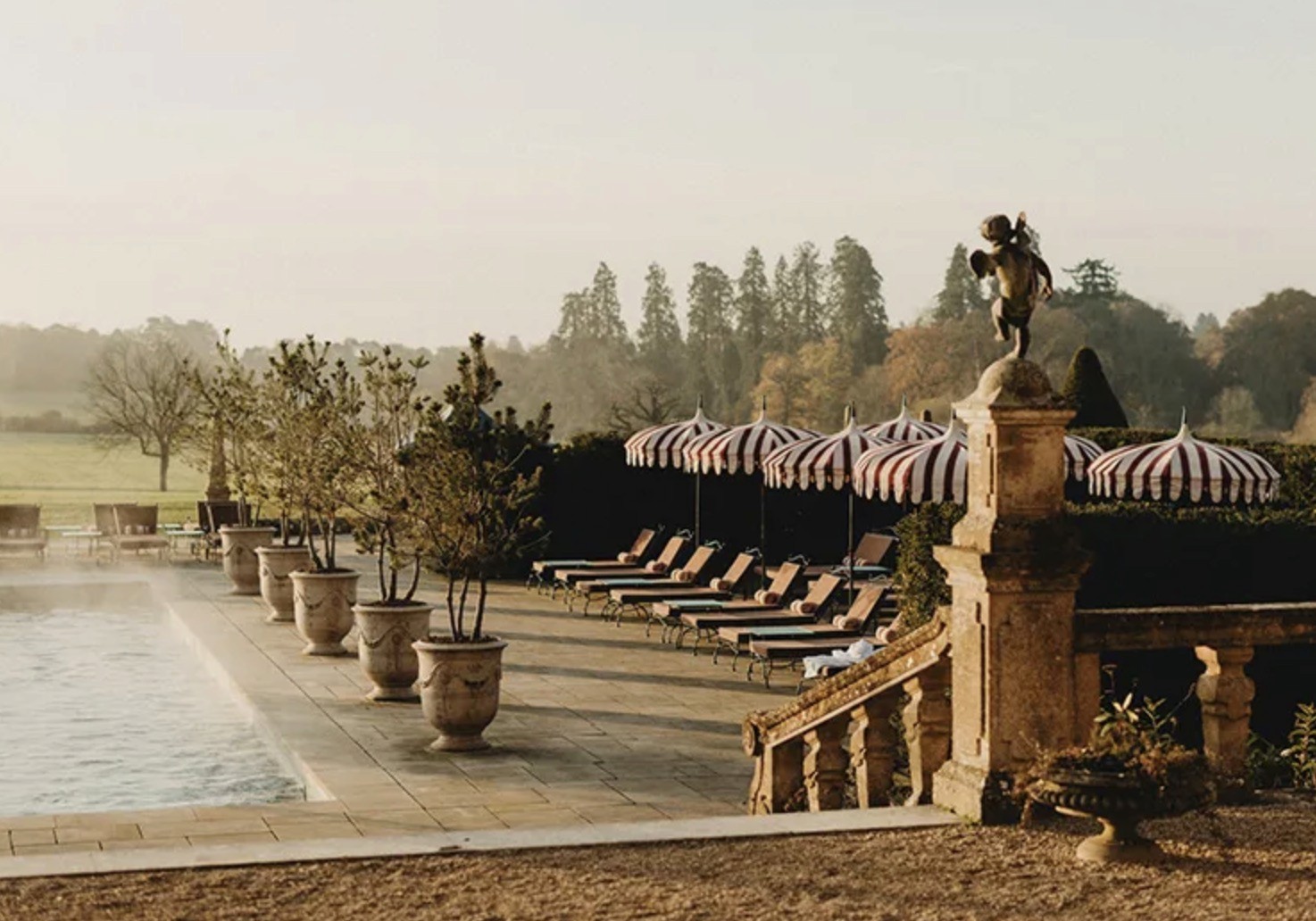
Estelle Manor technically sits on the Cotswolds' doorstep rather than deep inside it, but it is close enough, and interesting enough, that we think it deserves a place here.
This is the glamorous end of the countryside spectrum. The grand Oxfordshire manor has the atmosphere of a private members' club, with layered interiors, art, fireplaces, velvet, good-looking bars and a general sense that somebody somewhere is probably ordering another bottle of Champagne. It feels social rather than sleepy.
You could easily come for several days without getting bored. There are multiple restaurants, a pool, gym, padel courts and the extraordinary Eynsham Baths, a huge Roman-inspired spa hidden within the estate's woodland, with bathing halls, thermal experiences and pools. It is not the place to come if your Cotswolds fantasy involves surviving entirely on muddy walks and pints of ale. It is the place to come if you would prefer the walk to end with a Japanese dinner and several hours in a Roman bathhouse.
Why we like it: Sometimes a countryside escape should be shamelessly indulgent.
The Fish Hotel
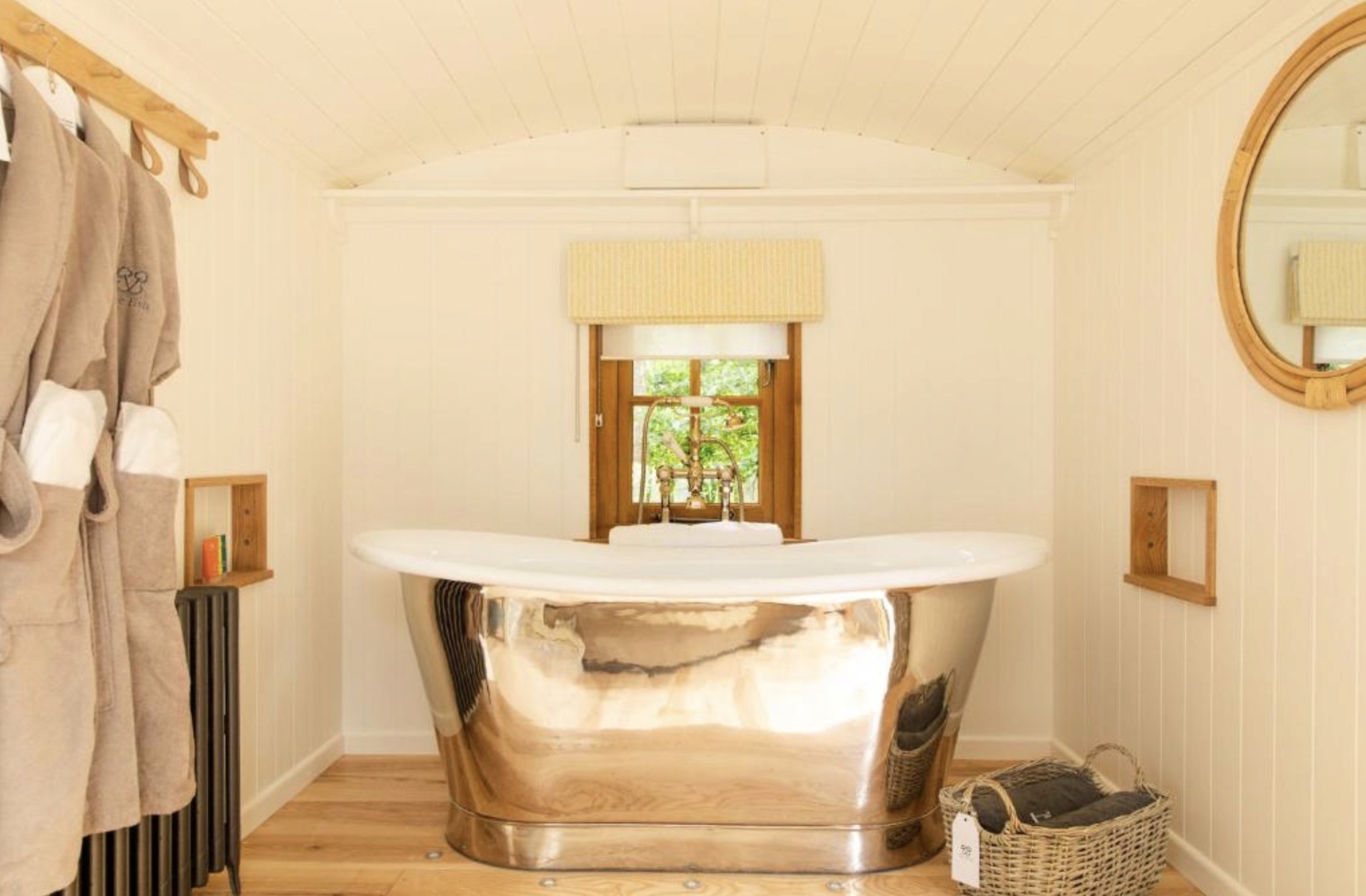
The Fish is the hotel for people who like the idea of the Cotswolds but don't necessarily want the classic country-house version of it.
Hidden among the trees on the Farncombe Estate above Broadway, everything feels a little more playful here. You can stay in a conventional room, but you can also sleep in a woodland hut with your own hot tub or climb up into one of the treehouses. There are fireplaces, sheepskins and Scandinavian-inspired interiors, but there is none of the formality that sometimes comes with a big countryside estate.
Days can be as lazy or as ridiculous as you like. Walk through the woods, disappear into the hot tub, try archery or clay shooting, then head back for dinner at Hook, where seafood takes centre stage. It works especially well when you want a countryside weekend to actually feel fun rather than simply beautiful.
Why we like it: Treehouses, hot tubs and good food. The Cotswolds does not always have to take itself seriously.
Dumbleton Hall
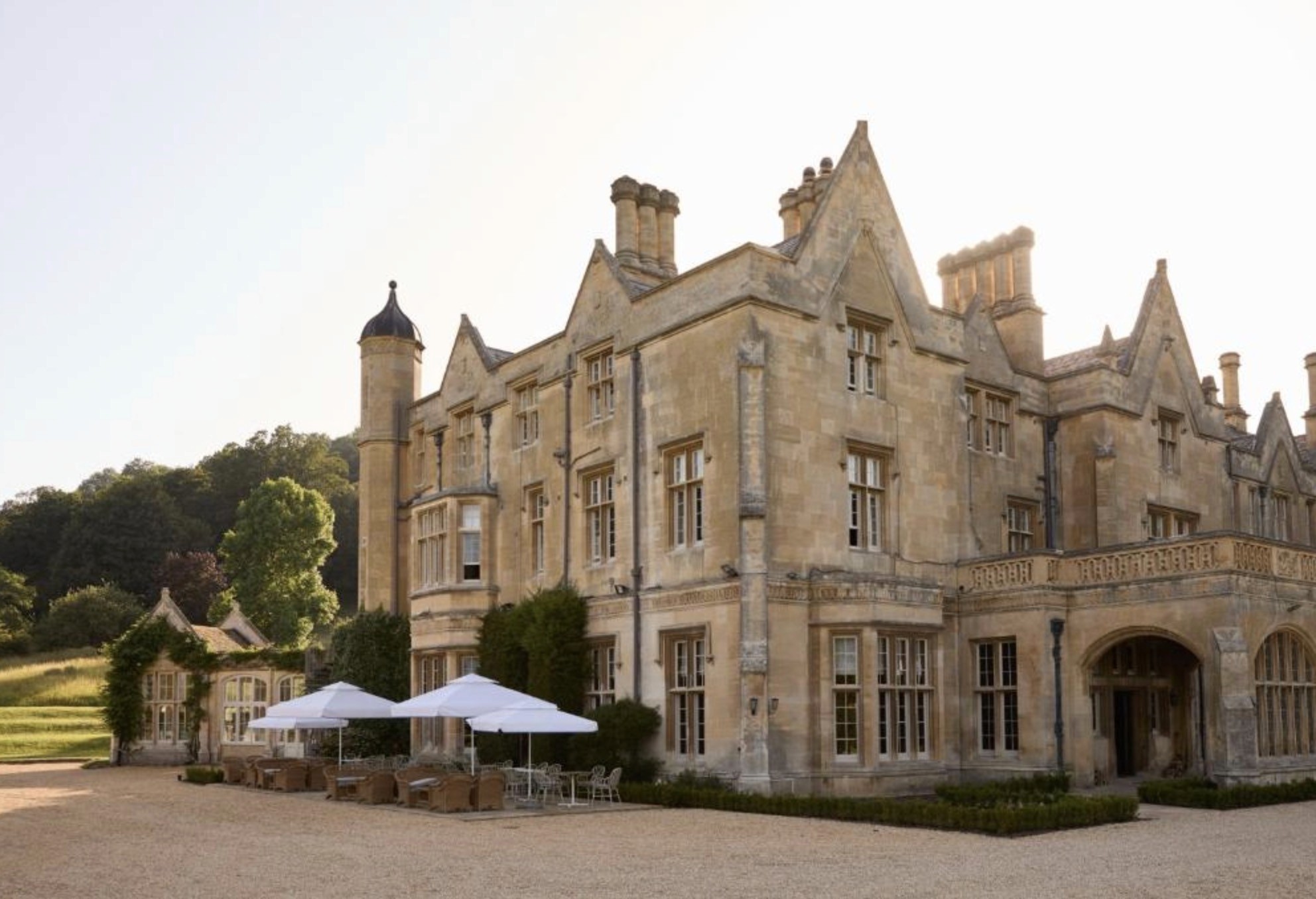
Dumbleton Hall feels like the beginning of a film.
You drive through the Worcestershire countryside, sheep appearing either side of the long driveway, and eventually a grand 19th-century house comes into view. The hotel reopened in 2026 after a major restoration, and rather than playing things safe, the new interiors lean into the drama of the building with rich colours, patterned rugs, velvet, art and a slightly theatrical Belle Époque mood.
The house has the sort of history that would be easy to overdo. Charles Dickens, Elizabeth Gaskell and John Betjeman are among those connected with its past, but the new Dumbleton feels more interested in being enjoyable than museum-like. There is a lake, old trees, large lawns, fires to sit beside and a library bar that makes a strong argument for doing absolutely nothing after dinner.
Why we like it: It gives you the full grand-English-country-house fantasy, then adds just enough eccentricity to stop it feeling stuffy.
The Fox at Oddington
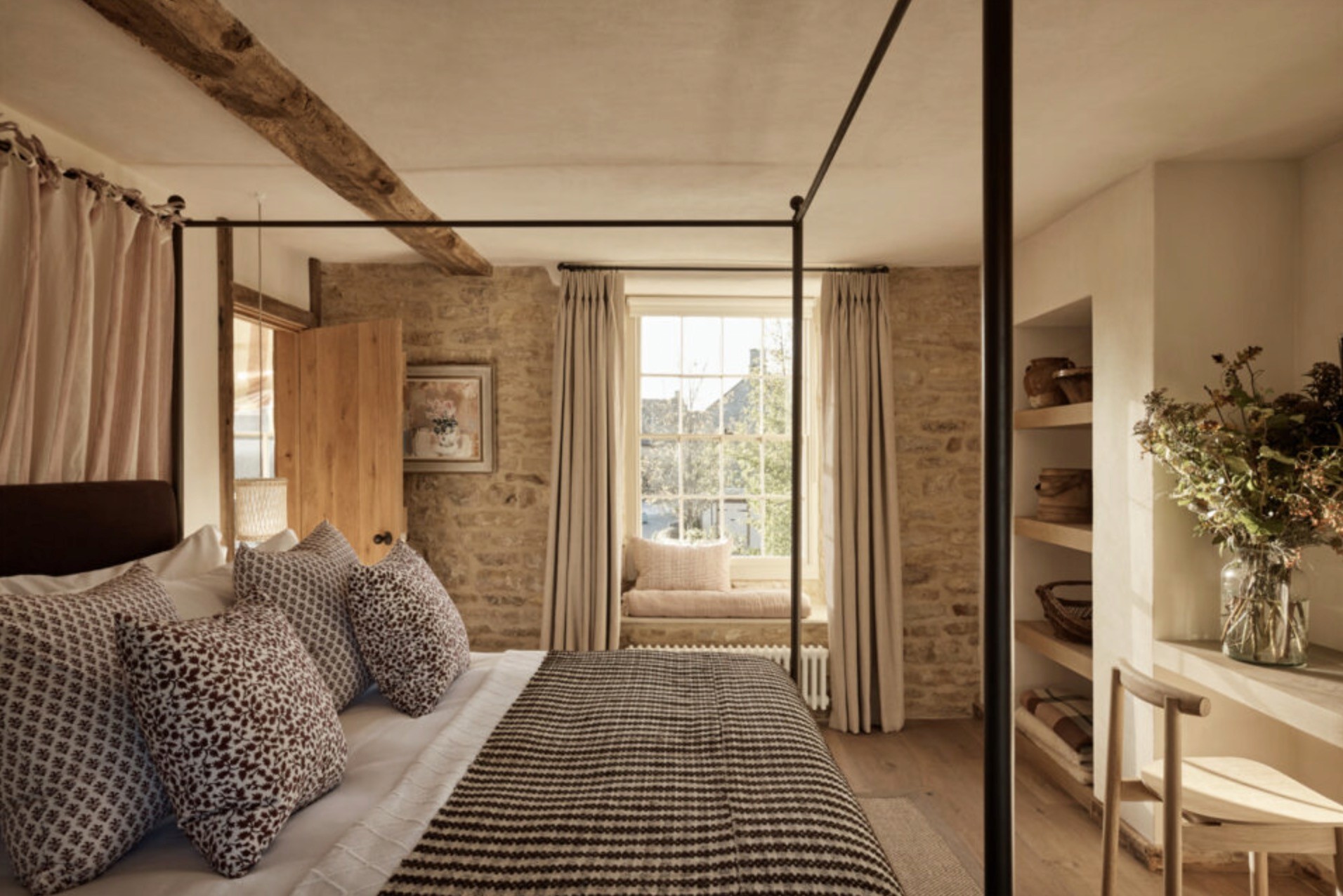
If somebody asked us to draw their ideal Cotswolds pub, it would probably end up looking suspiciously like The Fox.
The old village inn in Lower Oddington has flagstone floors, low ceilings, exposed beams and open fires, with just enough of the polished Daylesford touch to make everything look particularly good. Outside, there are gardens, terraces and countryside in almost every direction. Daylesford Farm is close enough to walk to, and The Wild Rabbit in Kingham is nearby too, so you could quite easily build a whole weekend around eating and walking between the three.
Upstairs, the rooms continue the same idea. Antiques, natural materials, four-poster beds, floral fabrics and equestrian details make them feel comfortably rooted in the surrounding countryside rather than designed according to whatever happens to be fashionable this year. Downstairs, much of the kitchen's produce comes from Daylesford's organic farm, and on sunny evenings the garden becomes exactly where you want to be.
Why we like it: It might be the purest version of a Cotswolds weekend on this list. Walk, eat, drink, sleep, repeat.
Where to Stay in the Cotswolds
The Cotswolds covers far more ground than many first-time visitors realise, so where you stay changes the trip.
Burford and Charlbury work especially well for an Oxfordshire weekend, with beautiful villages, good pubs and relatively easy access from London. Kingham and Oddington put you close to Daylesford and some of the area's best food, while Broadway and Chipping Campden are excellent bases for exploring the northern Cotswolds.
Around Southrop, things become quieter and more rural, while Cowley puts you within easy reach of both countryside and Cheltenham. Dumbleton sits towards the northern edge, and Estelle Manor is on the eastern doorstep of the Cotswolds rather than strictly within it.
But the best advice might be not to plan too much.
Pick a hotel you genuinely want to spend time in, bring shoes you don't mind getting muddy, book somewhere good for Sunday lunch, and leave a little room for getting lost.
That is usually when the Cotswolds gets good.

Bob Stolk
Curator, A Good Stay
Want to wake up to a beautiful boutique hotel every morning?
Sign up for our newsletter.